GREEN COORG SPICES CORPORATION KUSHAL NAGAR
Discovering Coorg's Black Gold: The Legacy of Coorg's Renowned Black Pepper
Explore Coorg’s prized black pepper, famously called Black Gold, with insights into its cultivation, culinary uses, and health benefits. From adding a spicy kick to traditional dishes to boosting digestive health, Coorg black pepper is an essential spice with a rich cultural history.
The Historical Significance of Coorg's Black Pepper
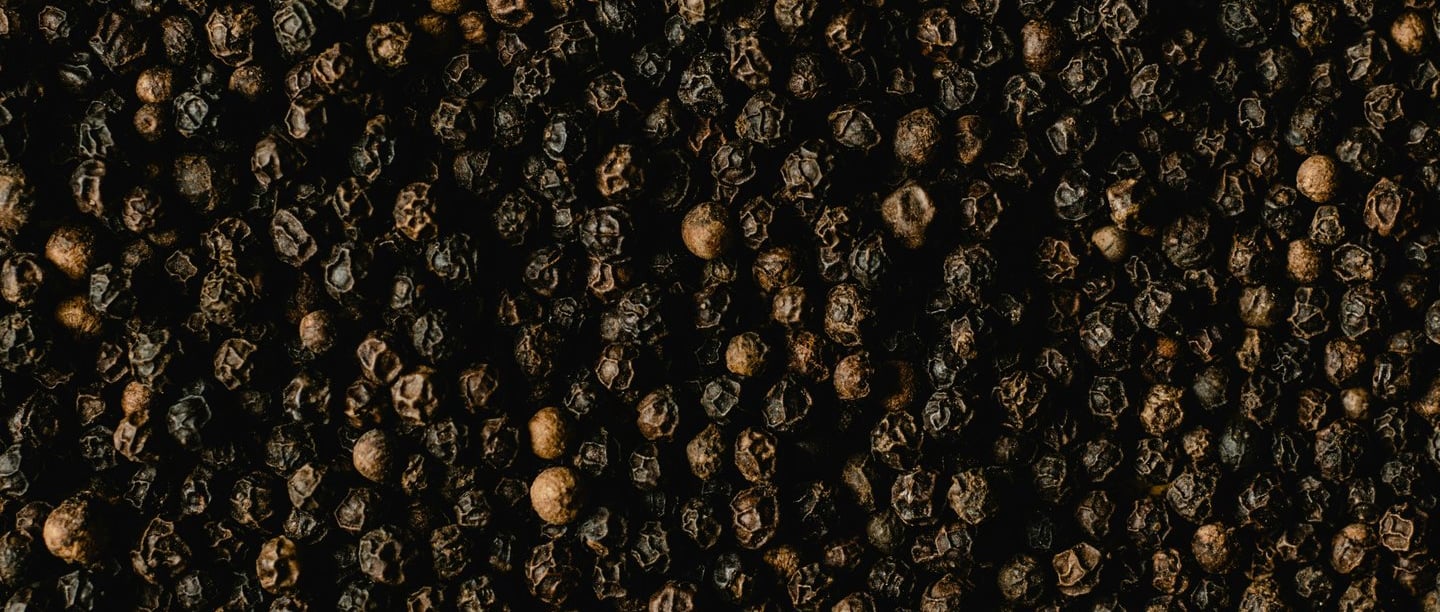
Coorg, a picturesque district in the southern part of India, holds a prominent place in the history of spice trade, especially known for its renowned black pepper. Often referred to as 'black gold', Coorg's black pepper has a rich and storied heritage that dates back centuries, significantly influencing the region's economy and culture. The favorable climatic conditions and the lush green landscapes of Coorg make it an ideal environment for pepper cultivation, which thrived alongside other spices such as cardamom and coffee.
The origins of black pepper in Coorg can be traced to ancient trade routes that facilitated exchanges between the Indian subcontinent and various other civilizations, including those in Europe and the Middle East. This aromatic spice quickly gained popularity not just for its culinary uses but also for its medicinal properties. As traders traversed these routes, black pepper became a valuable commodity, fostering a thriving economy that revolved around spice cultivation.
During the colonial period, black pepper's significance further escalated as European powers sought to control its trade due to its rampant demand. The name 'black gold' emerged as a testament to its monetary value and the wealth it generated for local communities. This was not merely a commercial aspect; it also held cultural implications for the people of Coorg. The act of cultivating black pepper became ingrained in the local communities' identity, with generations passing down knowledge and techniques that enhance its production.
Today, Coorg's black pepper remains a culinary staple, cherished not only in Indian kitchens but also by global chefs. Its legacy showcases how a spice can transcend its primary function, becoming an essential part of the cultural fabric of a region. The history of Coorg's black pepper is a compelling narrative that speaks volumes about the intersection of culture, trade, and agriculture, embodying the essence of what it means to be a part of this vibrant community.
The Unique Cultivation Process of Coorg Black Pepper
Coorg, often referred to as the "Land of Warriors," boasts a unique climate and topography that are ideal for cultivating the world-renowned black pepper, also known as "black gold." The region’s distinct weather patterns, characterized by heavy rainfall and moderate temperatures, create a hospitable environment for this spice. The average temperature ranges between 15°C to 30°C, and the annual rainfall of approximately 3000 mm contributes significantly to the growth of the pepper vines.
The soils in Coorg are rich in organic matter, primarily due to the lush greenery that characterizes the landscape. This fertile soil, combined with the perfect amount of sunlight and shade provided by larger trees, creates optimal conditions for black pepper cultivation. Farmers employ traditional agroforestry methods, which involves growing black pepper vines on the trunks of these trees. This not only supports the pepper plants but also promotes biodiversity, allowing various other crops and flora to thrive alongside them.
Harvesting black pepper in Coorg is a meticulous process that underscores the farmers' dedication and expertise. The berries are handpicked when they reach the desired level of ripeness, usually when they turn from green to a yellowish hue. This careful selection ensures the highest quality of pepper. After harvesting, the berries are subjected to a natural drying process, either under sunlight or in specially designed drying facilities. This step is critical, as it enhances the pepper's distinctive flavor and aroma, setting Coorg black pepper apart from its competitors.
The combination of favorable climatic conditions, nutrient-rich soil, and traditional farming methods not only yields high-quality black pepper but also preserves the cultural heritage of Coorg's agricultural practices. These factors collectively contribute to the recognition of Coorg black pepper as a globally celebrated spice, treasured by chefs and culinary enthusiasts alike.
Culinary Uses of Coorg Black Pepper
Coorg black pepper, often referred to as “black gold,” is a cornerstone in the culinary landscape of India and beyond. Its distinct flavor profile adds depth and warmth to various dishes, making it an indispensable ingredient for chefs and home cooks alike. Renowned for its robust taste, Coorg black pepper pairs exceptionally well with a wide range of ingredients, enhancing the overall culinary experience.
One of the most common uses of Coorg black pepper is in the preparation of grilled meats. Its coarse texture and bold flavor make it an ideal rub for marinating chicken, lamb, or beef. To create a simple yet delicious marinade, mix crushed Coorg black pepper with olive oil, minced garlic, and fresh herbs such as rosemary or thyme. Allow the meat to marinate for a few hours before grilling to achieve a perfectly seasoned dish.
In addition to meats, Coorg black pepper is a fantastic addition to soups and stews. A sprinkle of freshly cracked pepper elevates the flavors of a classic vegetable soup or a hearty lentil stew. For a delightful recipe, try making a spiced pumpkin soup: sauté onions and garlic, add diced pumpkin, vegetable broth, and season with Coorg black pepper, nutmeg, and a pinch of salt. Blend until smooth and enjoy a warming bowl on a chilly day.
Moreover, this spice can enhance everyday dishes. Adding freshly ground Coorg black pepper to scrambled eggs or avocado toast introduces a bold flavor that wakes up simple meals. It can also be added to salad dressings for a spicy kick, ensuring that your salads never lack excitement.
In conclusion, the versatility of Coorg black pepper makes it a vital seasoning in various culinary applications. Whether used in marinades, soups, or everyday meals, it is sure to impress and elevate dishes to new heights, allowing cooks to explore and enjoy the rich flavors it offers.
The Health Benefits of Coorg Black Pepper
Coorg black pepper, recognized for its rich flavor and aromatic profile, is not only a staple in culinary practices but also a powerhouse of health benefits. One of the primary advantages of consuming this renowned spice is its ability to aid digestion. Black pepper contains piperine, a compound known to stimulate the secretion of hydrochloric acid in the stomach, which is essential for the digestion of proteins. Improved digestion can lead to reduced bloating and discomfort, thereby contributing to overall gastrointestinal health.
Beyond digestion, Coorg black pepper also plays a crucial role in boosting the immune system. The spice has anti-inflammatory properties that help combat infections and reduce inflammation within the body. According to a study published in the journal Food Chemistry, piperine exhibits significant antimicrobial activity, which can enhance the body’s defense mechanisms against various pathogens. Regular consumption can therefore contribute to maintaining a robust immune response, helping the body to fend off illnesses more effectively.
Another noteworthy benefit of Coorg black pepper lies in its potent antioxidant properties. Antioxidants are vital for neutralizing free radicals, thereby preventing oxidative stress that can lead to chronic diseases. Research highlighted in the Journal of Medicinal Food has demonstrated that black pepper possesses significant antioxidant capabilities, which can protect cells from damage and support overall health. Incorporating Coorg black pepper into one’s diet not only enhances flavor but also promotes a healthier lifestyle through its beneficial compounds.
In summary, the health benefits of Coorg black pepper encompass improved digestion, enhanced immune function, and significant antioxidant properties, underscoring its value beyond mere seasoning. As individuals seek natural remedies for better health, Coorg black pepper presents a compelling option rooted in both traditional medicinal practices and modern scientific studies.
Sustainability and the Future of Black Pepper Farming in Coorg
As black pepper, often referred to as Coorg's black gold, continues to be a prestigious crop for local farmers, challenges such as climate change and market fluctuations are increasingly affecting its production. The changing climate, characterized by unpredictable rainfall patterns and rising temperatures, poses significant risks to the delicate pepper vines that flourish in Coorg's unique agroclimatic conditions. Farmers are observing reduced yields and compromised quality, which threaten their livelihoods and the long-standing reputation of Coorg pepper in the global market.
Market fluctuations further complicate matters, with prices swinging due to varying demand, international competition, and the availability of alternative spices. These economic factors can make it difficult for farmers to maintain steady incomes, thereby discouraging investment in sustainable practices. To address these pressing issues, it is essential to explore sustainable farming practices that can make black pepper production more resilient and profitable in the long run.
Several initiatives are currently in place to promote sustainable methods for cultivating black pepper. For instance, agroforestry systems that integrate black pepper with shade-giving trees not only provide a suitable microclimate but also enhance biodiversity and soil health. Furthermore, practices such as organic farming and intercropping are gaining traction as they minimize the reliance on chemical fertilizers and pesticides, which can harm both the environment and the health of consumers.
Moreover, education and training programs aimed at equipping farmers with knowledge and tools for sustainable agriculture play a pivotal role in this transition. Collaborative efforts between government agencies, non-profits, and agricultural research institutions are crucial in providing resources and support to farmers as they navigate these challenges. By adopting sustainable practices, Coorg’s farmers can enhance the resilience of their black pepper production while securing the future of this valuable crop for generations to come.
Cultural Traditions Surrounding Black Pepper in Coorg
In Coorg, black pepper holds a cherished place not only as a spice but also as an integral element of the region's cultural identity. Known locally as "Kali Mirch," this spice is woven intricately into the fabric of everyday life, celebrated in various traditions, festivals, and culinary practices. One of the notable festivals is the "Puthari," a harvest festival during which farmers express gratitude for the bountiful crops, including black pepper. Rituals performed during this festival often revolve around the blessings of the land, signifying the important role that black pepper plays within the agricultural practices of the region.
Moreover, black pepper is often utilized in traditional rituals and auspicious occasions. It features prominently in the offerings made during religious ceremonies, symbolizing prosperity and health. Families in Coorg often incorporate black pepper into various dishes served during weddings and festivals, which enhances not just the flavors but also the symbolic significance of the meal. The use of this spice in local cuisine is notable; traditional Coorgi dishes such as "Pandi Curry" (pork curry) and "Kadumbuttu" (rice dumplings) are celebrated for their distinctive taste, largely attributed to the generous use of black pepper.
In addition to its culinary significance, black pepper is deeply embedded in the local medicinal practices as well. Coorgis traditionally believe in the healing properties of black pepper, often utilizing it in home remedies for various ailments. This integration of black pepper into cultural rituals, festivals, and local cuisine underscores its importance in the daily lives of the Coorgi people. As generations pass, the legacy of black pepper continues not only to thrive but also to evolve, symbolizing a blend of tradition and modernity that embodies the essence of Coorg.
Why Coorg Black Pepper Is a Treasure to the World
Coorg, a lush district nestled in the Western Ghats of India, is globally recognized for its exceptional black pepper, often referred to as "black gold." This esteemed spice not only enhances culinary experiences but represents a rich cultural and historical heritage that extends far beyond its use in kitchens. The unique climate and fertile soil of Coorg create an ideal environment for cultivating high-quality black pepper, contributing to its distinctive flavor profile and aroma. The cultivation techniques passed down through generations reflect the knowledge and dedication of local farmers, which adds to the pepper's cultural significance.
Historically, Coorg black pepper has played a pivotal role in trade, contributing to the economic development of the region and connecting it with global markets. This spice, highly sought after for its versatility and potent flavor, has left an indelible mark on the culinary traditions of various cultures, enhancing dishes across continents. The legacy of Coorg black pepper embodies not just its monetary value but also the stories of the artisans and farmers who meticulously nurture each plant. Their sustainable farming practices and intimate connection with the land present a model for agricultural integrity, encouraging a greater appreciation for the origins of our food.
Recognizing Coorg black pepper as a treasure encourages support for local producers, who practice age-old cultivation methods while facing modern challenges such as climate change. Fostering a deeper awareness of its significance can lead to more conscientious choices among consumers, promoting sustainability and preserving the cultural practices tied to black pepper production. Supporting these artisans and farmers helps sustain their livelihoods, ensuring that the treasured legacy of Coorg black pepper continues to flourish for generations to come. In celebrating this high-quality spice, we not only honor its global culinary value but also the cultural and historical narratives interwoven with its cultivation.